Coding & Skills
369 articles in this topic
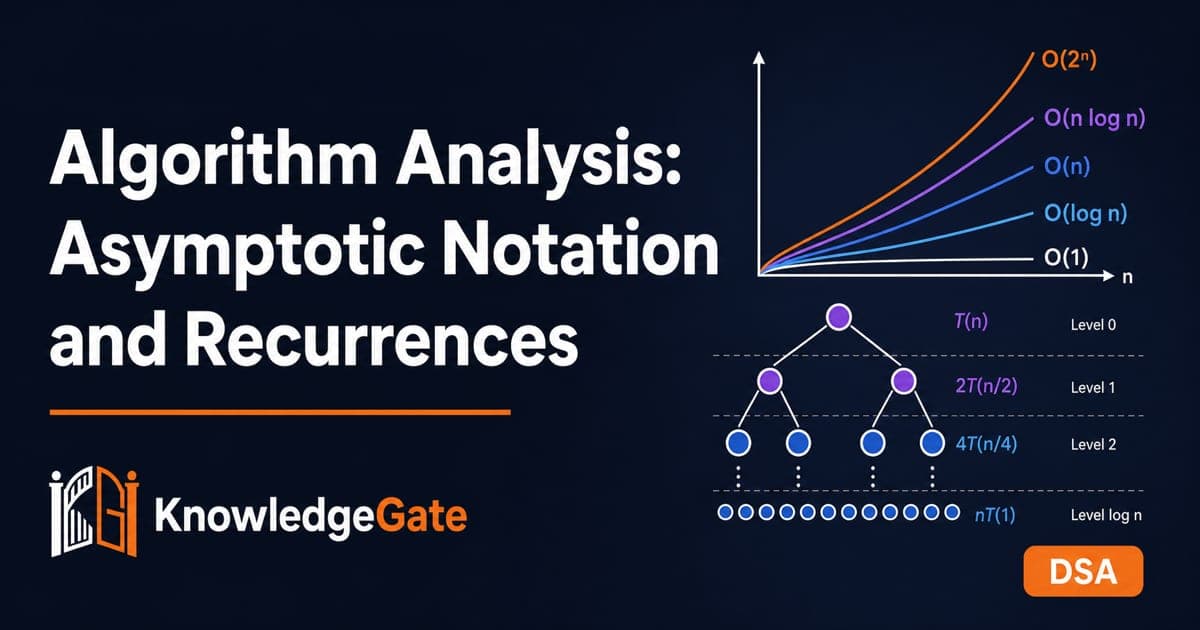
Algorithm Analysis: Asymptotic Notation, Recurrences and Worked Examples for GATE CS
Build algorithm-analysis skill from first principles: count operations, compare growth rates, solve recurrences and understand amortized cost through checked examples.
Updated 13 Sep 20266 min readDSA & Algorithms
Kotlin Learning Roadmap: A 12-Week Path from JVM Basics to Coroutines
Follow one study-tracker project from a Kotlin console program to tested domain logic, structured coroutines and a focused application demo.
Updated 13 Sep 20265 min readProgramming Languages Survey
C++ Lambda Expressions: Capture Rules, Closures and STL Patterns
Learn to read C++ lambdas, trace copied and referenced state, write a valid sort comparator, and prevent dangling-reference bugs in stored callbacks.
Updated 13 Sep 20265 min readC++
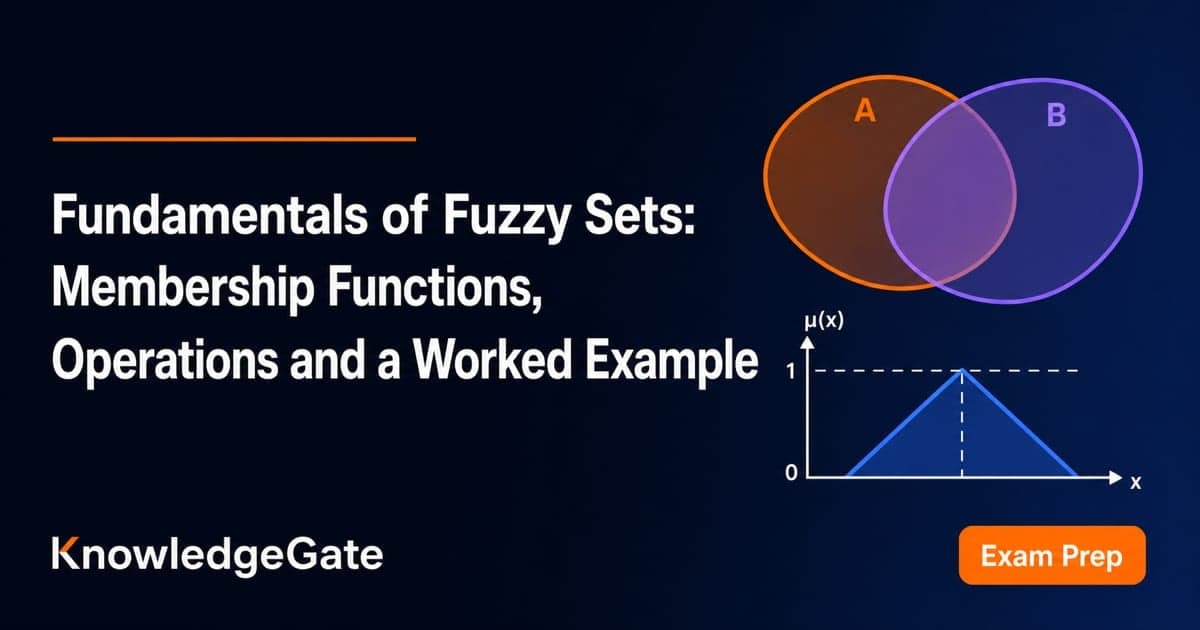
Fundamentals of Fuzzy Sets: Membership Functions, Operations and a Worked Example
Learn fuzzy-set notation by carrying two finite sets through support, core, alpha-cuts, cardinality and standard operations. Then verify De Morgan's law and test your method on a transfer exercise.
Updated 13 Sep 20265 min read62 viewsML & Data Science
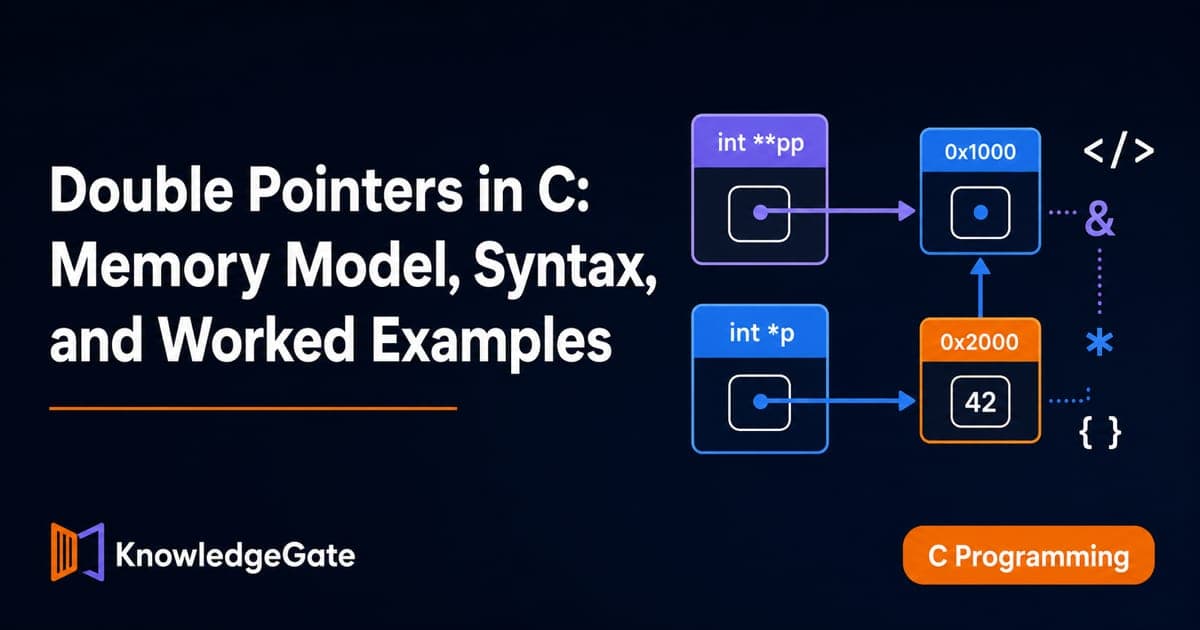
Double Pointers in C: Memory Model, Syntax, and Worked Examples
Understand what every level of an int ** means, when a function needs one, and why arrays of pointers differ from 2D arrays. Runnable C17 examples make each step concrete.
Updated 13 Sep 20266 min read54 viewsC
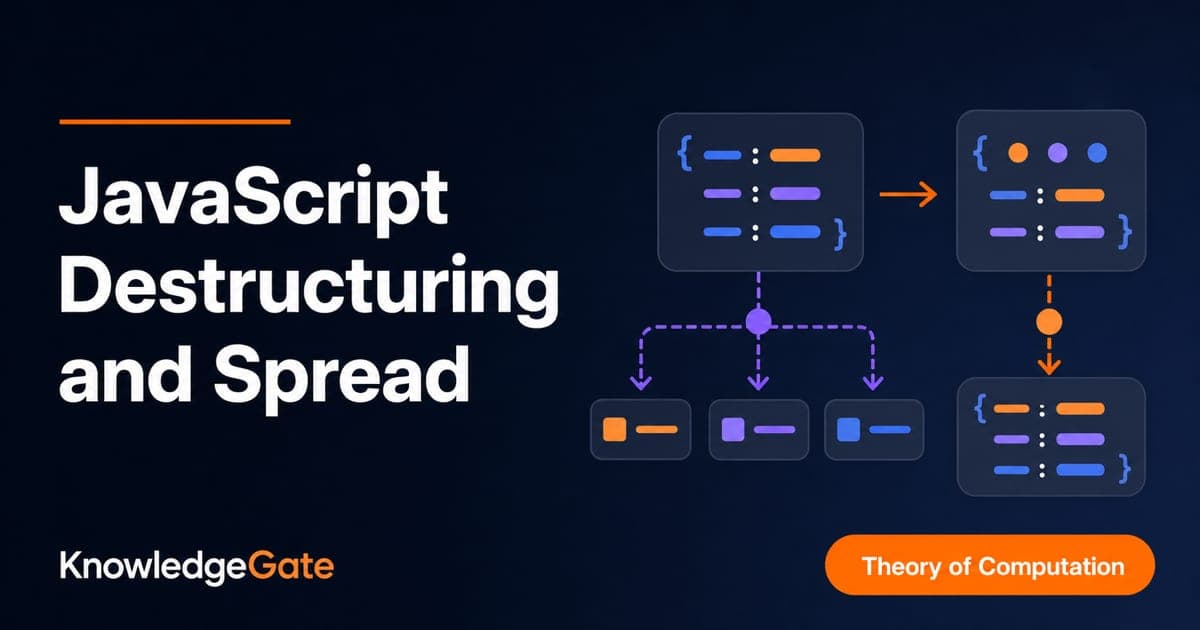
JavaScript Destructuring and Spread: Syntax, Rest Patterns, and Worked Examples
Learn how JavaScript destructuring binds values, how rest collects them, and how spread expands them. Follow one object through runnable examples and common traps.
Updated 12 Sep 20265 min readWeb Development
Variables and Primitive Types in Java: Declarations, Conversions and Worked Examples
Learn how Java declares variables, represents all eight primitive types, promotes operands and handles casts. Then trace a complete program and correct common output traps.
Updated 12 Sep 20266 min readJava
Python Lambda and Higher-Order Functions: Runnable Examples, Traps, and Exercises
Build lambdas from ordinary functions, pass them into higher-order operations, and trace a complete Python data pipeline. Then fix common errors and test yourself with runnable exercises.
Updated 12 Sep 20265 min read51 viewsPython
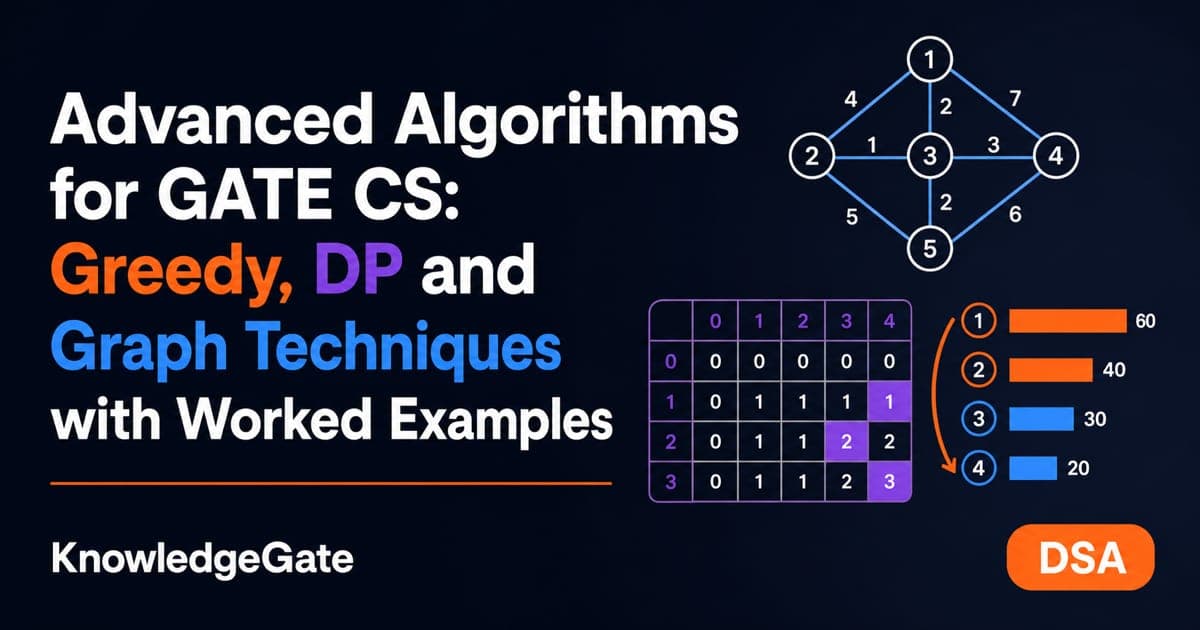
Advanced Algorithms for GATE CS: Greedy, DP and Graph Techniques with Worked Examples
Learn how to choose among greedy, dynamic programming, divide and conquer, and shortest-path algorithms. Worked MST, knapsack and recurrence examples make each decision concrete.
Updated 12 Sep 20266 min read51 viewsDSA & Algorithms
Go vs Python: Choose for Services, Scripts and Team Speed
Compare Go and Python on one fixed HTTP workload, then use timing traces and weighted scorecards to choose for durable services, short scripts and real teams.
Updated 12 Sep 20267 min readProgramming Languages Survey
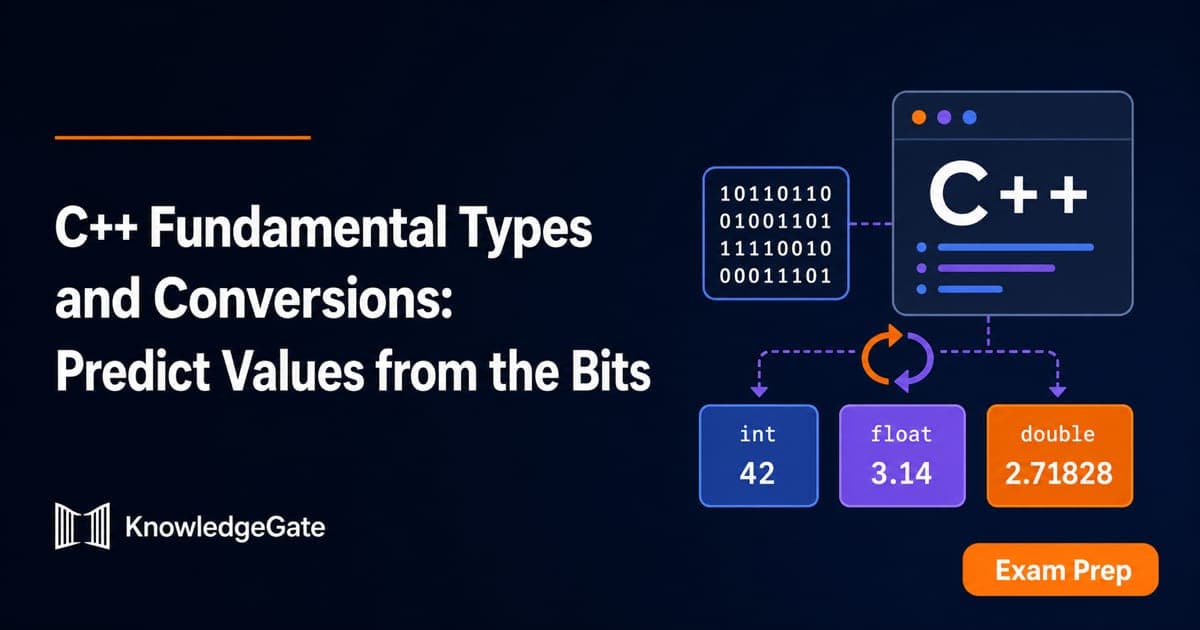
C++ Fundamental Types and Conversions: Predict Values from the Bits
Learn a repeatable way to predict C++ expression types and values by tracing representations, promotions, common types, and final storage conversions.
Updated 11 Sep 20266 min readC++
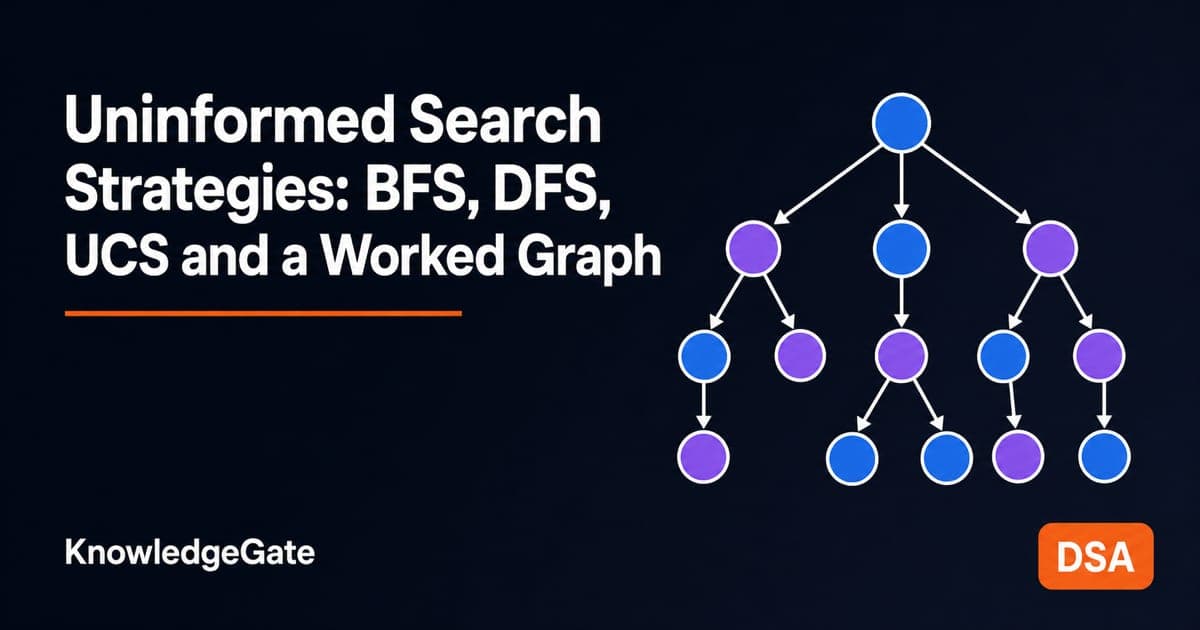
Uninformed Search Strategies: BFS, DFS, UCS and a Worked Graph
Trace six uninformed search strategies on one graph. See exactly why the shallowest path, the first DFS path and the least-cost path can differ.
Updated 11 Sep 20265 min read124 viewsML & Data Science