Digital Logic
47 articles in this topic
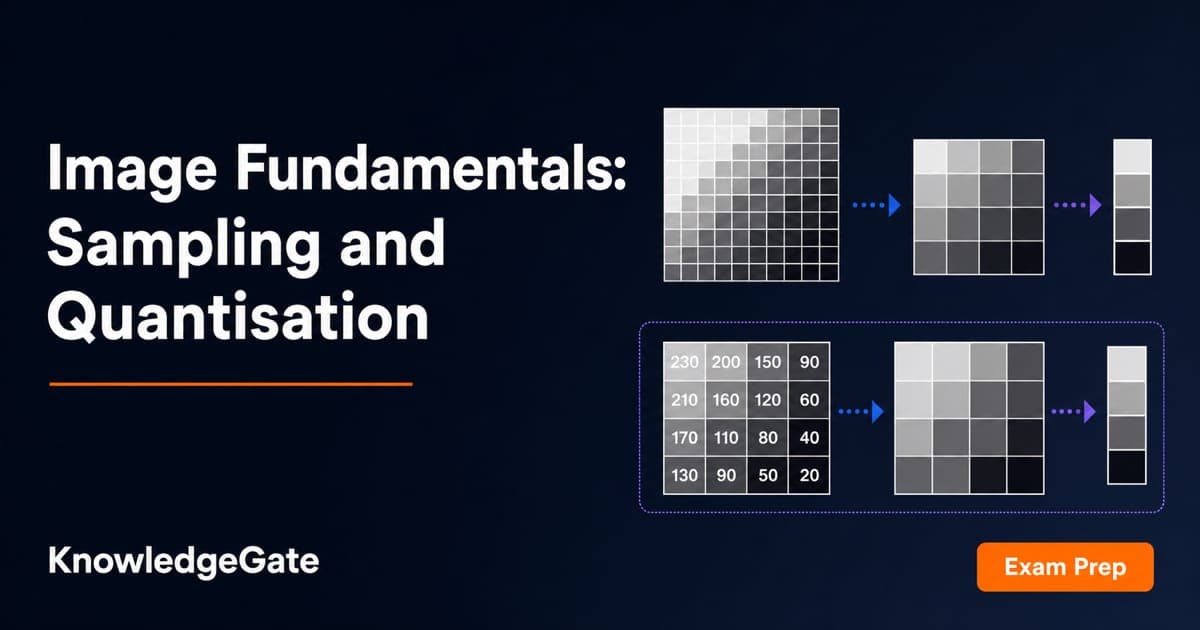
Image Fundamentals Explained: Sampling, Quantisation and Worked Examples
Follow one grayscale image from its pixel grid and histogram to downsampling, 2-bit quantisation, reconstruction error, neighbourhoods and distance measures.
Updated 30 Aug 20266 min readDigital Logic
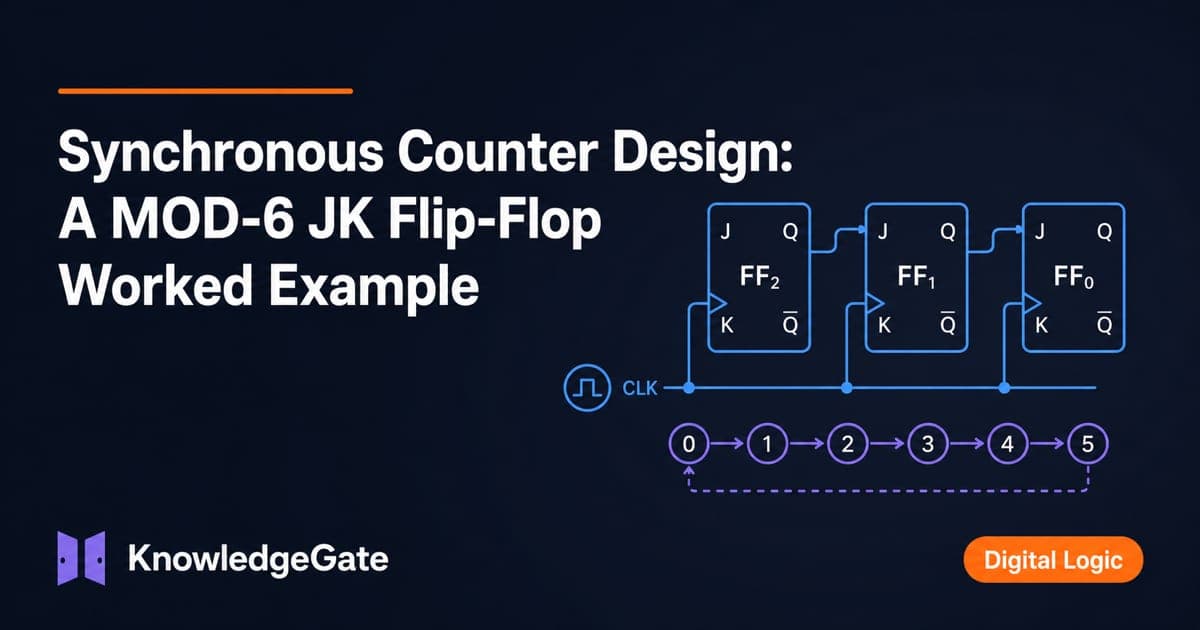
Synchronous Counter Design: A MOD-6 JK Flip-Flop Worked Example
Build a MOD-6 synchronous up counter from its state sequence to its JK input equations, then verify valid states, recovery paths, and clock timing.
Updated 29 Aug 20265 min read52 viewsDigital Logic
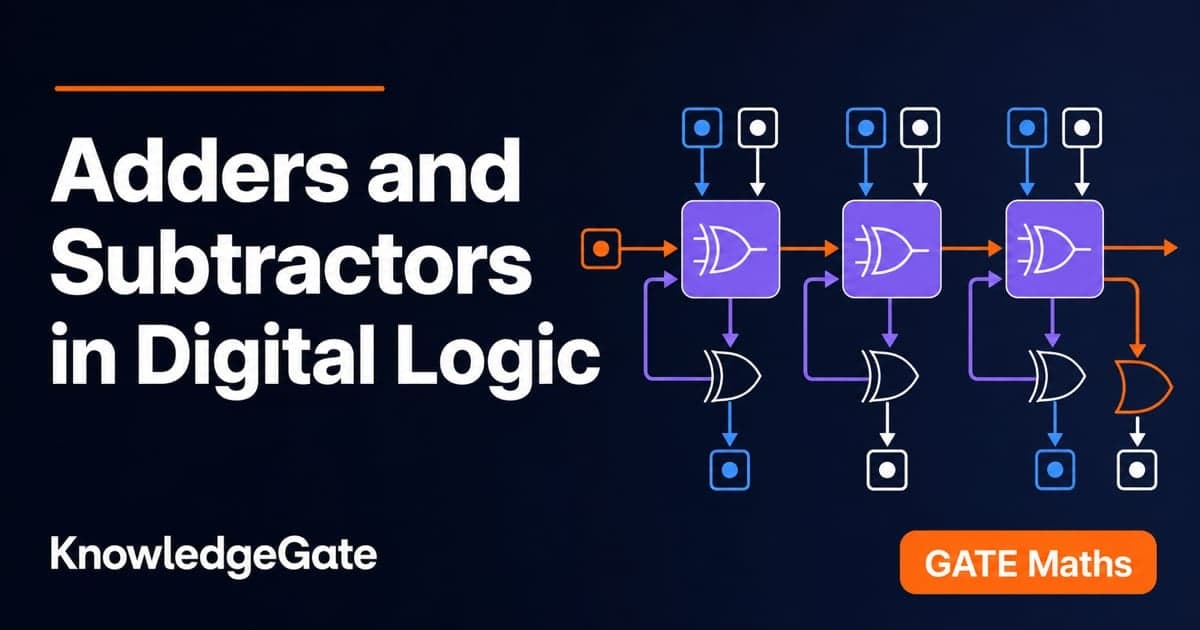
Adders and Subtractors in Digital Logic: Circuits, Worked Examples and Exam Traps
Learn adders and subtractors from one-bit truth tables to four-bit ripple circuits, with verified addition, subtraction, overflow and delay examples.
Updated 26 Aug 20266 min readDigital Logic
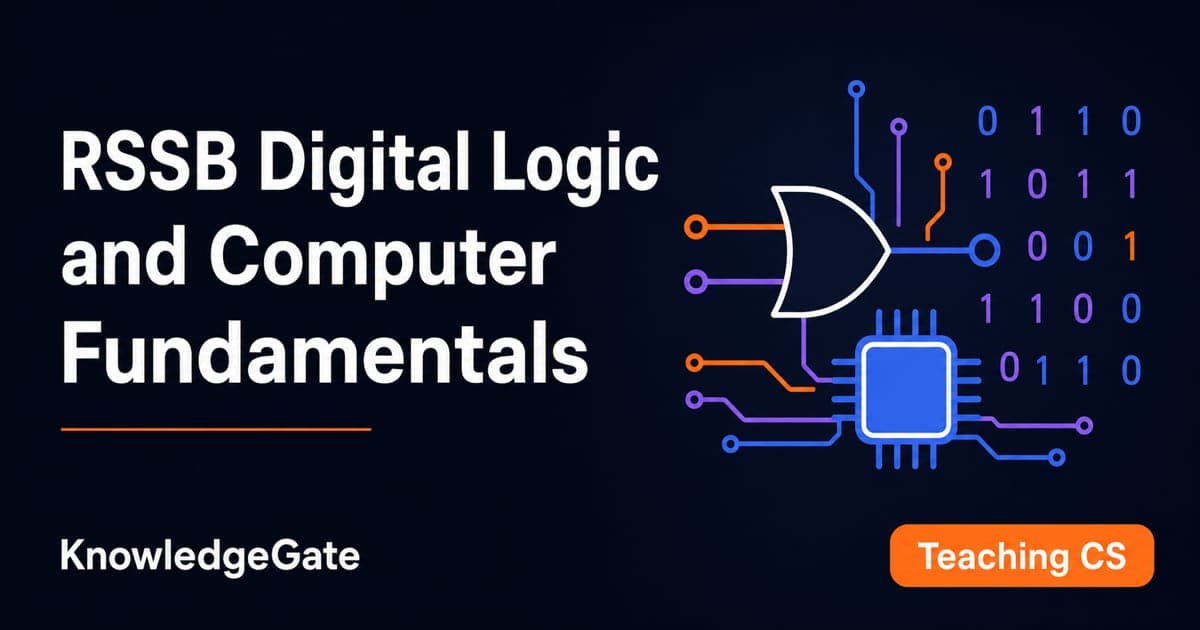
RSSB Computer Instructor Digital Logic and Computer Fundamentals: Worked Number Systems, Boolean Algebra and Memory Basics
Connect number systems, Boolean algebra, memory capacity and CPU organisation through four checked examples designed for RSSB Computer Instructor preparation.
Updated 25 Aug 20266 min readDigital Logic

Digital India and e-Governance: Models, Service Architecture and Worked ICT Examples
See how an e-governance service works from request to decision. Follow a fictional application, calculate workload and uptime, and test its controls.
Updated 23 Aug 20265 min readDigital Logic
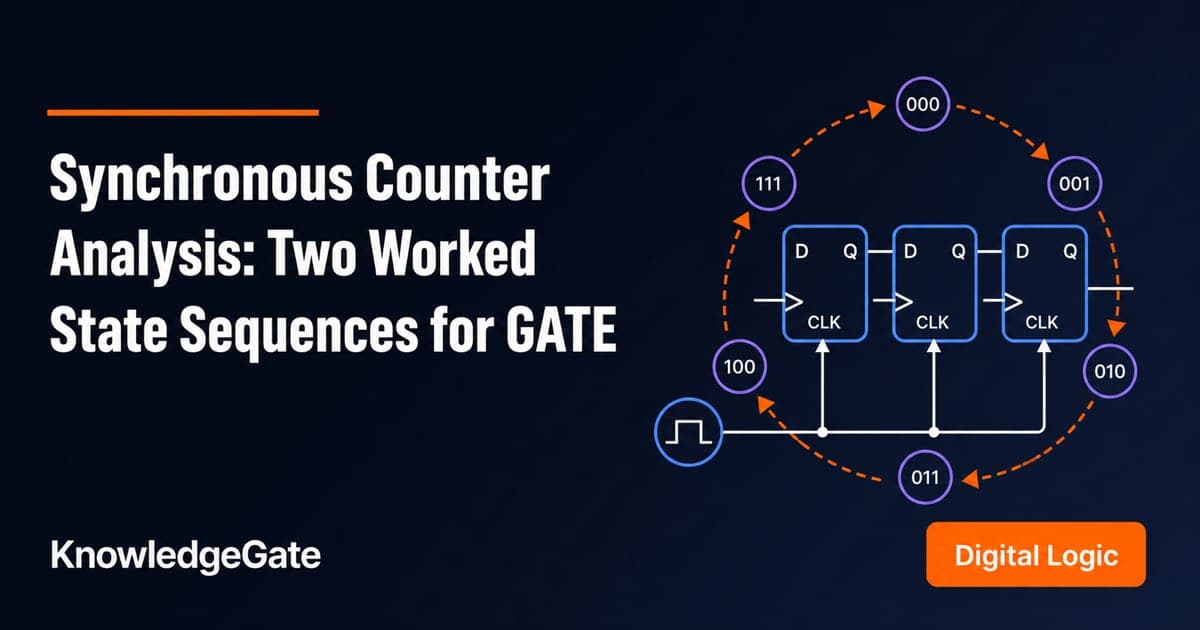
Synchronous Counter Analysis: Two Worked State Sequences for GATE
Analyse two three-bit synchronous counters step by step. One produces a binary MOD-8 sequence, while the other shows how unused states can trap a circuit.
Updated 21 Aug 20265 min readDigital Logic
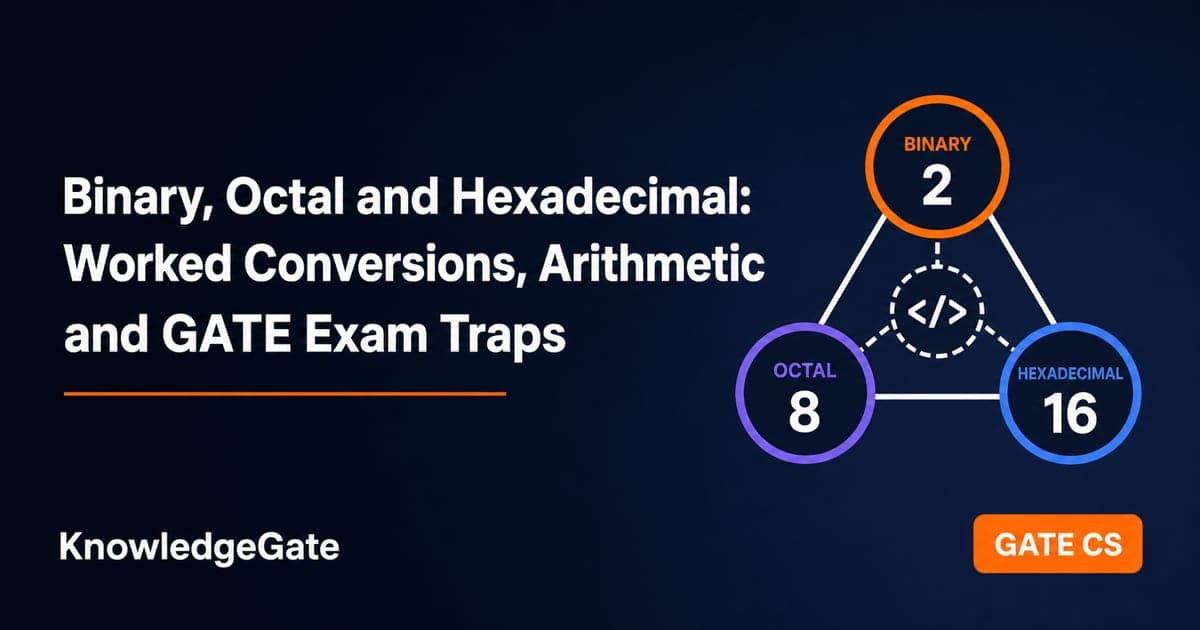
Binary, Octal and Hexadecimal: Worked Conversions, Arithmetic and GATE Exam Traps
Follow one value across four bases, then add unlike radices safely and verify the result through binary grouping and decimal place value.
Updated 19 Aug 20265 min readDigital Logic
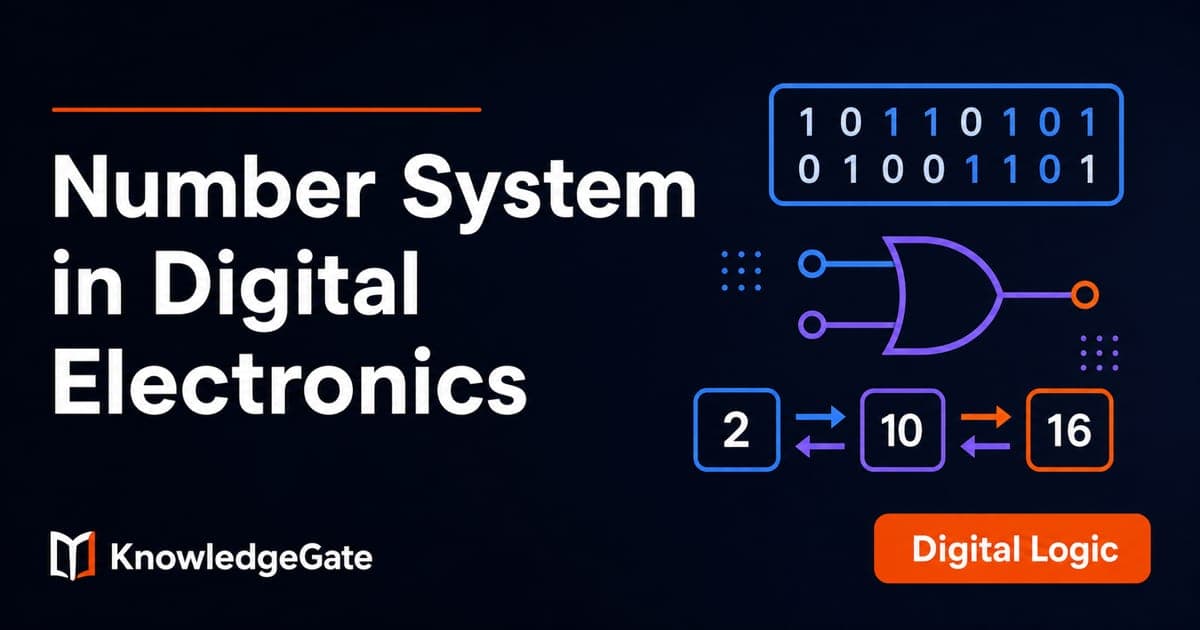
Number System in Digital Electronics: Base Conversion, Complements and Binary Arithmetic
Learn one dependable method for positional values, decimal fractions, binary grouping, complements, subtraction and signed overflow, with every step checked.
Updated 18 Aug 20266 min readDigital Logic
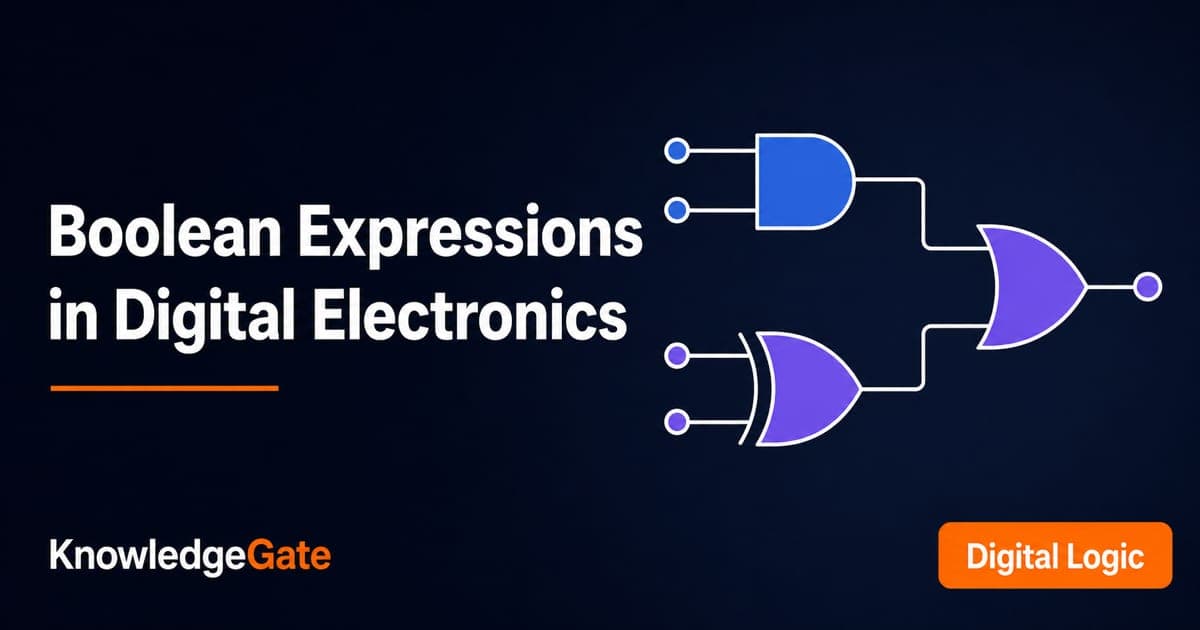
Boolean Expressions in Digital Electronics: Laws, Canonical Forms and Worked Simplification
Learn one Boolean function from notation to truth table, canonical forms, simplification and NAND gates, with checks that expose common errors.
Updated 15 Aug 20265 min read50 viewsDigital Logic
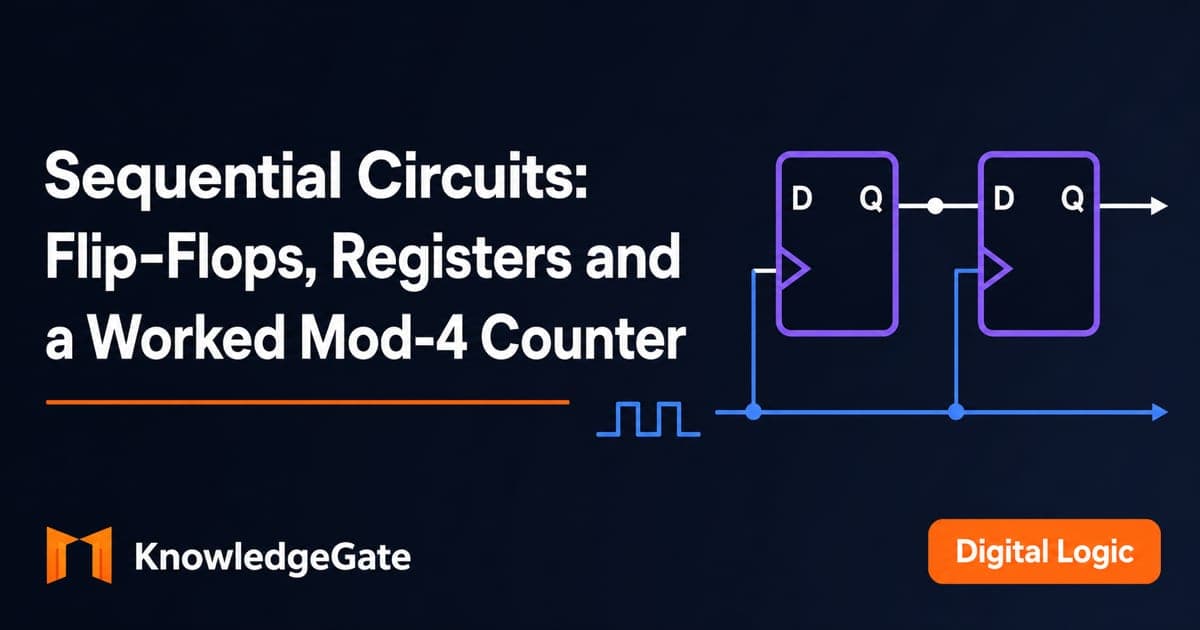
Sequential Circuits in Digital Electronics: Flip-Flops, Registers and a Worked Mod-4 Counter
Learn to trace sequential logic edge by edge, then design and verify a two-bit synchronous counter using state tables, D-input equations and timing constraints.
Updated 13 Aug 20266 min readDigital Logic
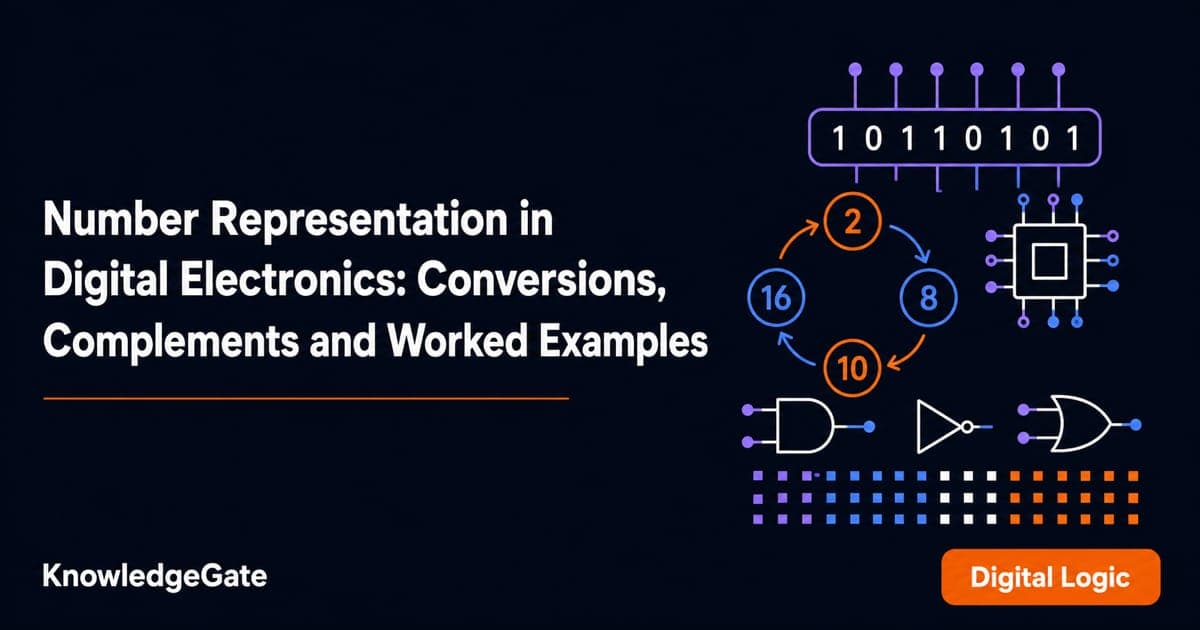
Number Representation in Digital Electronics: Conversions, Complements and Worked Examples
Learn number representation through exact conversions, signed encodings, binary arithmetic, special codes, fixed point and IEEE 754 worked examples.
Updated 11 Aug 20266 min readDigital Logic
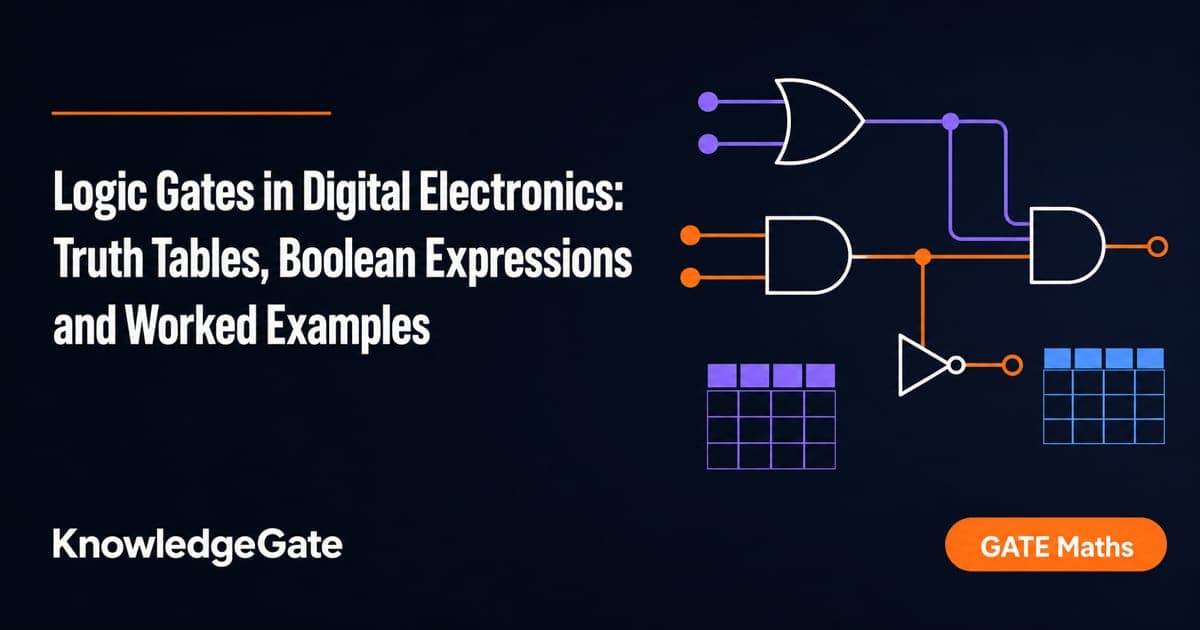
Logic Gates in Digital Electronics: Truth Tables, Boolean Expressions and Worked Examples
Learn the seven basic logic gates, build and minimise a complete three-input truth table, then implement the result using only NAND gates. Hardware bubbles and delay paths are included.
Updated 9 Aug 20265 min read52 viewsDigital Logic