CS Fundamentals
469 articles in this topic
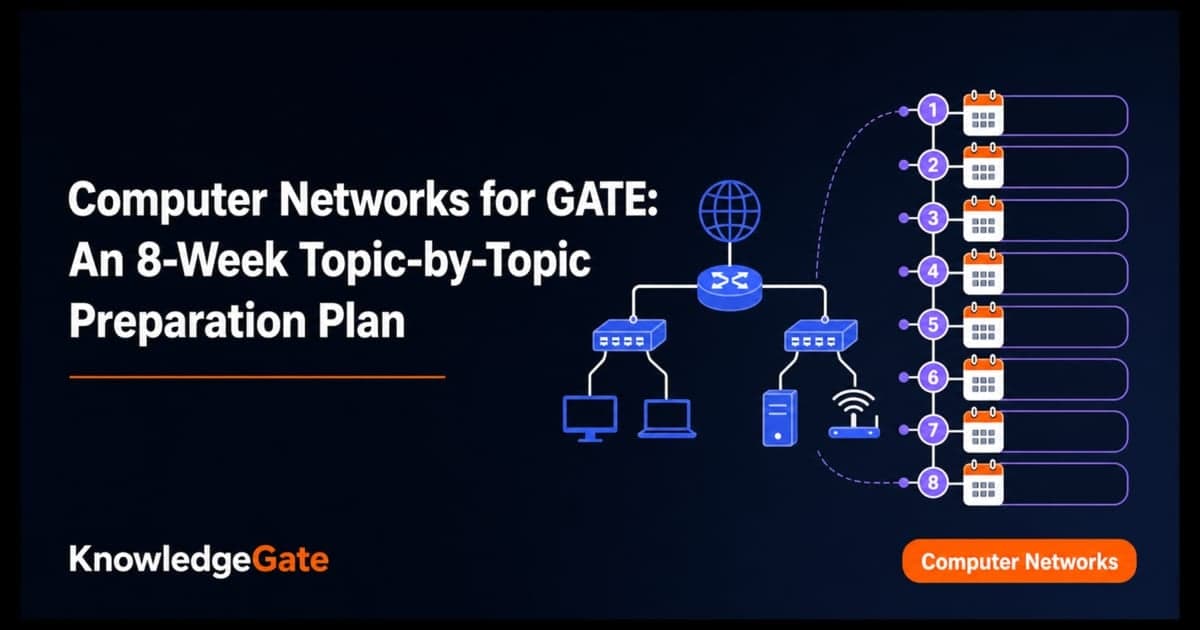
Computer Networks for GATE: An 8-Week Topic-by-Topic Preparation Plan
Use a 96-hour Computer Networks plan that moves from delay and flow control to subnetting, TCP and timed sets, with worked numericals and recovery rules.
Updated 24 Oct 20265 min readComputer Networks
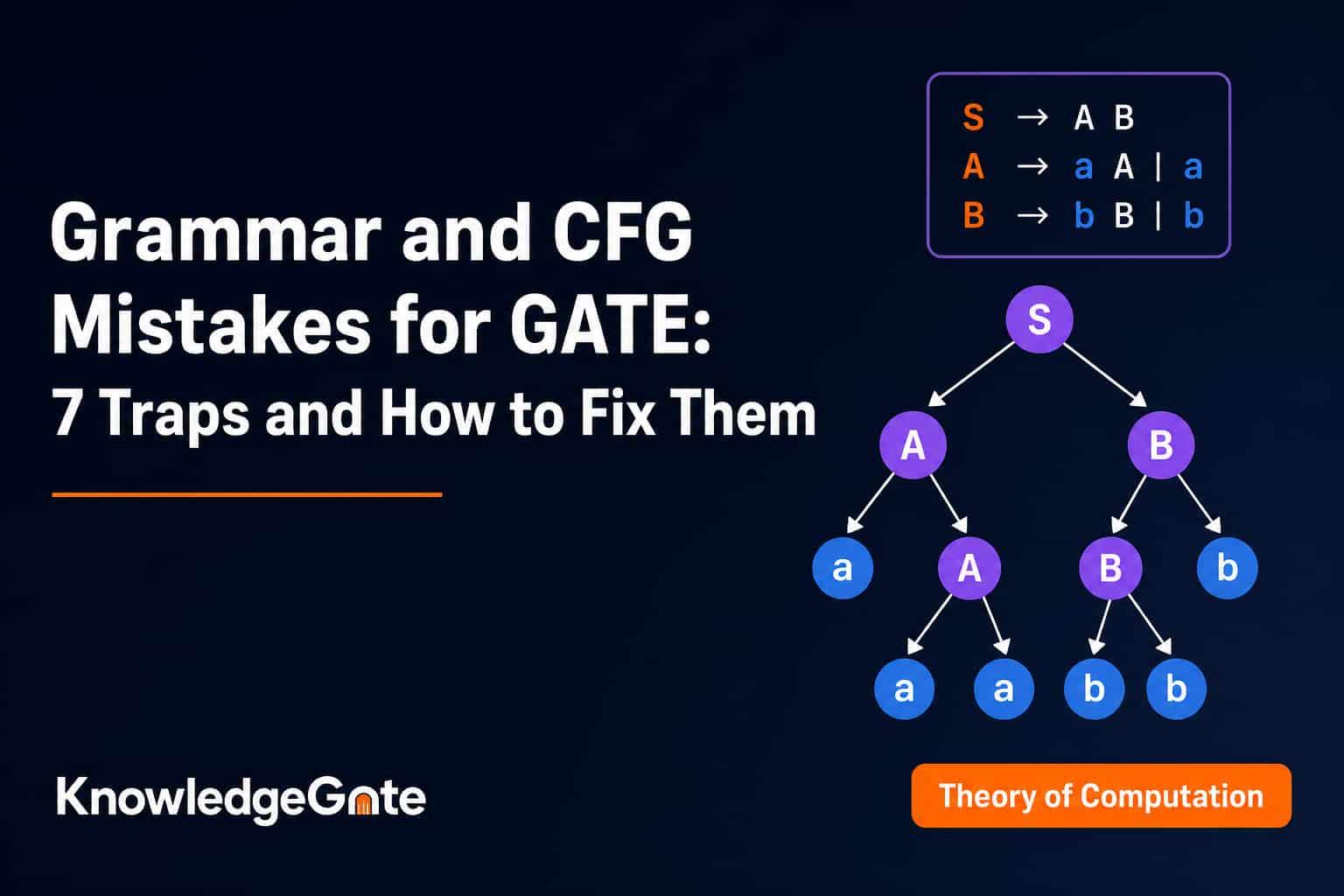
Grammar and CFG Mistakes for GATE: 7 Traps and How to Fix Them
Seven small grammars expose the errors that make CFG answers go wrong, with reproducible checks for classification, ambiguity, FIRST sets and CNF.
Updated 24 Oct 20265 min readCompiler Design
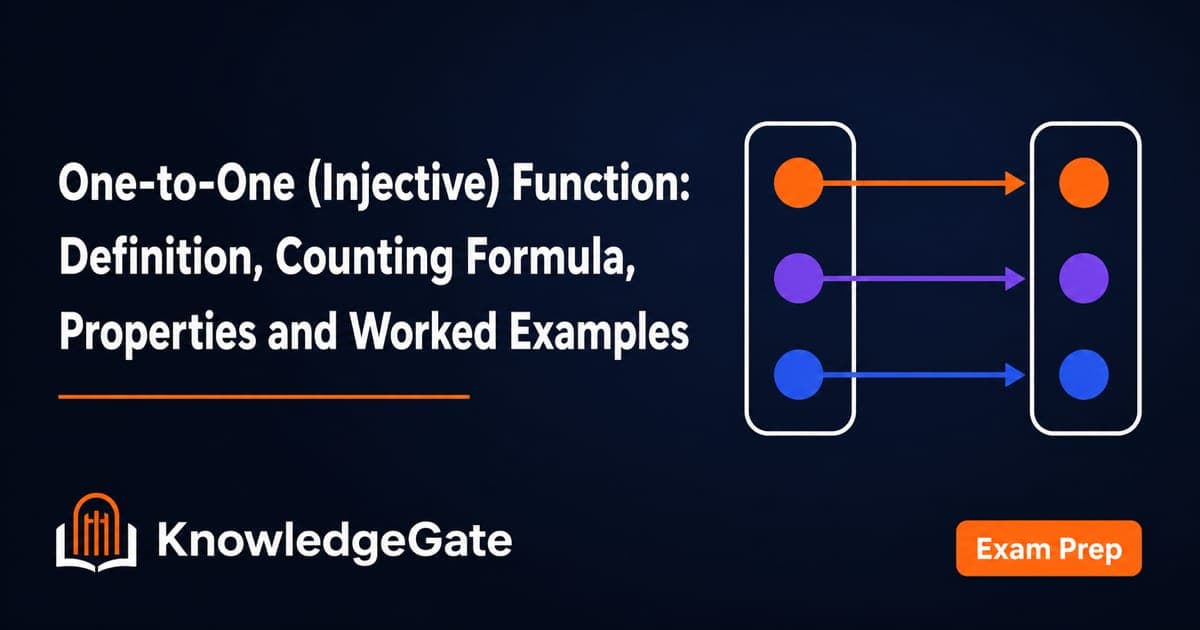
One-to-One (Injective) Function: Definition, Counting Formula, Properties and Worked Examples
Learn how to identify and count injective functions, handle common restrictions, and prove their key composition and inverse properties with clear examples.
Updated 24 Oct 20266 min readEngineering Mathematics
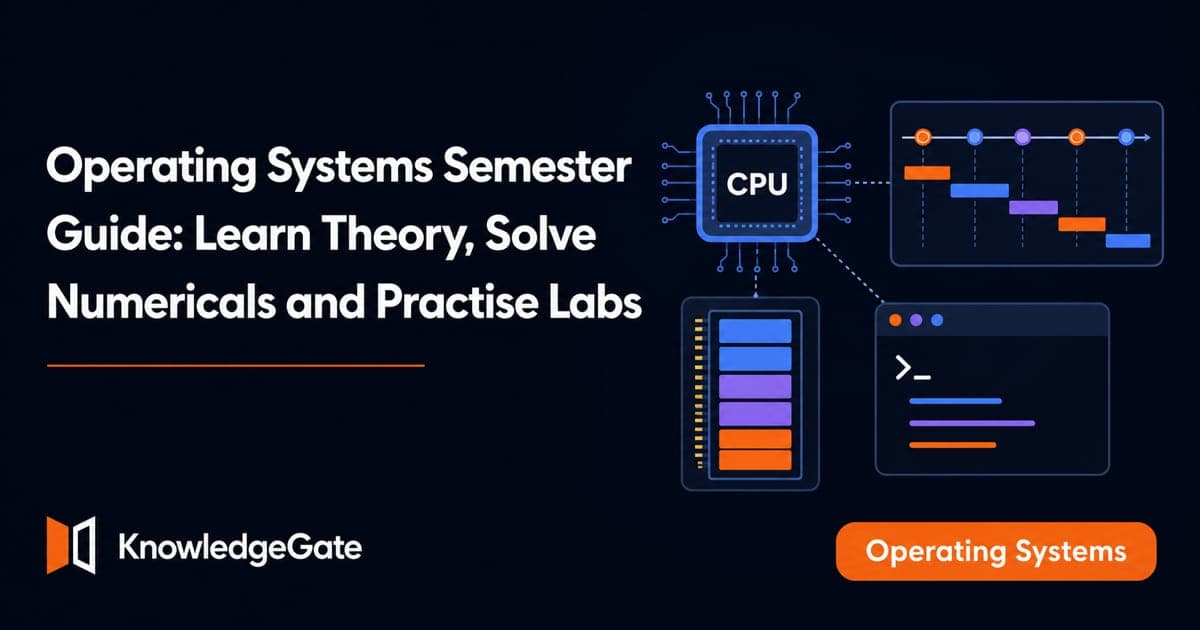
Operating Systems Semester Guide: Learn Theory, Solve Numericals and Practise Labs
Connect OS concepts to semester calculations and programs through scheduling, Banker's Algorithm, paging, storage, and five lab checks.
Updated 24 Oct 20266 min readOperating Systems
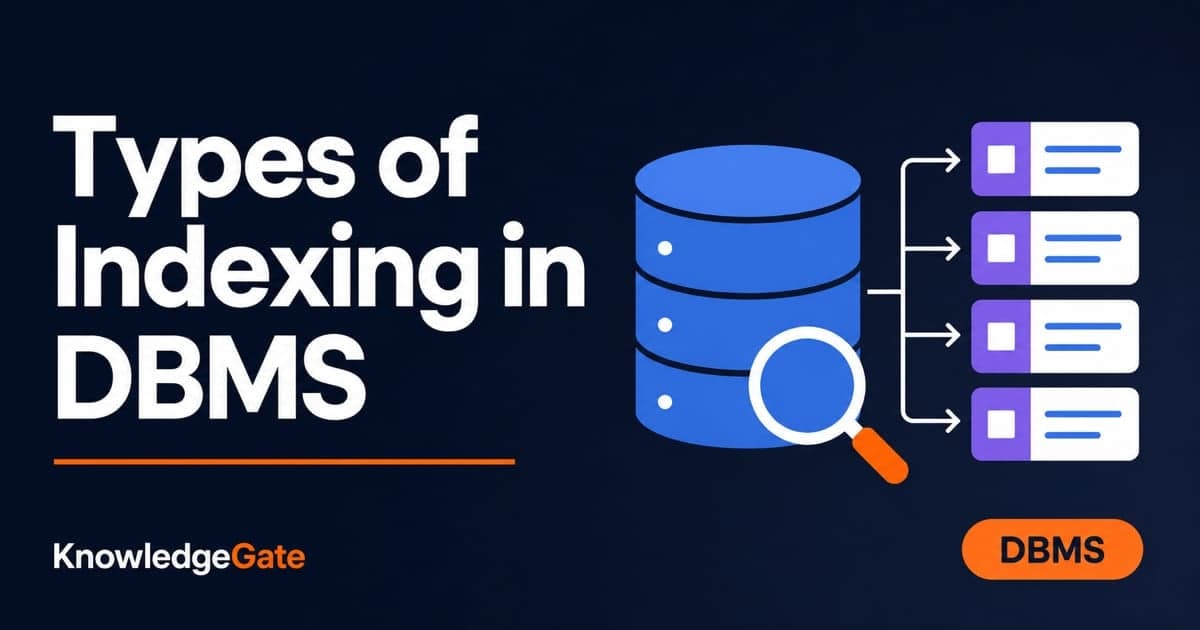
Types of Indexing in DBMS: Primary, Clustering, Secondary and Multilevel Examples
Learn how file order, uniqueness and entry coverage determine an index type. Two worked examples build index levels and count simplified block reads.
Updated 24 Oct 20266 min readDBMS
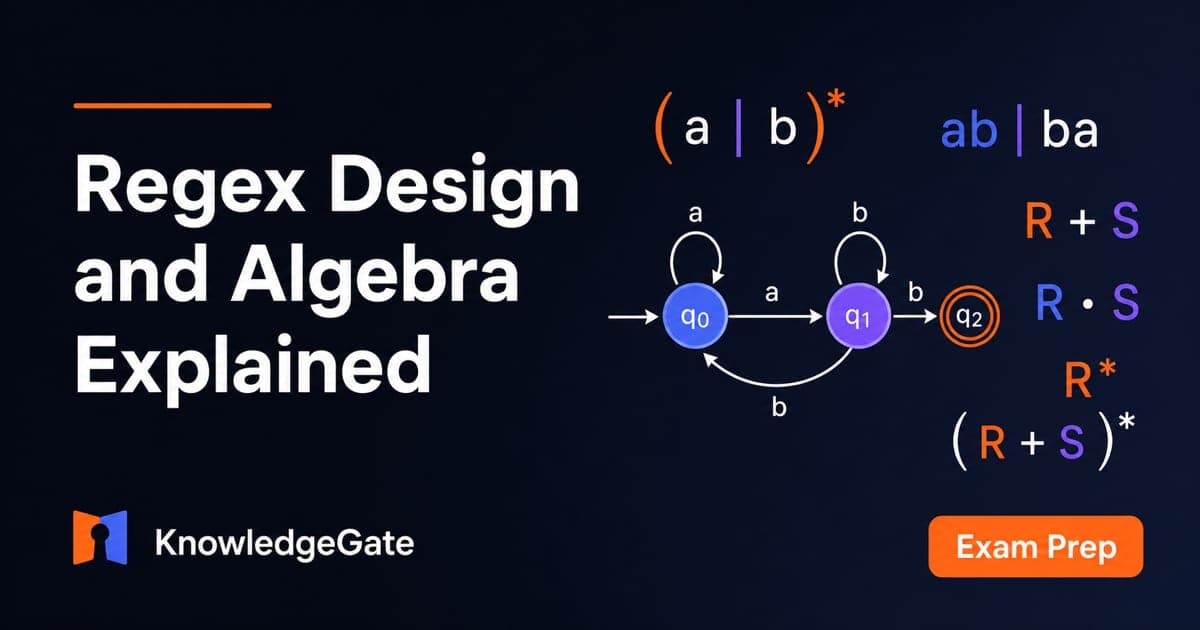
Regex Design and Algebra Explained: Identities, Arden's Theorem, and Worked Examples
Build regular expressions from language constraints, simplify them with safe identities, prove the result, and solve a recursive equation with Arden's theorem.
Updated 24 Oct 20265 min readTheory of Computation
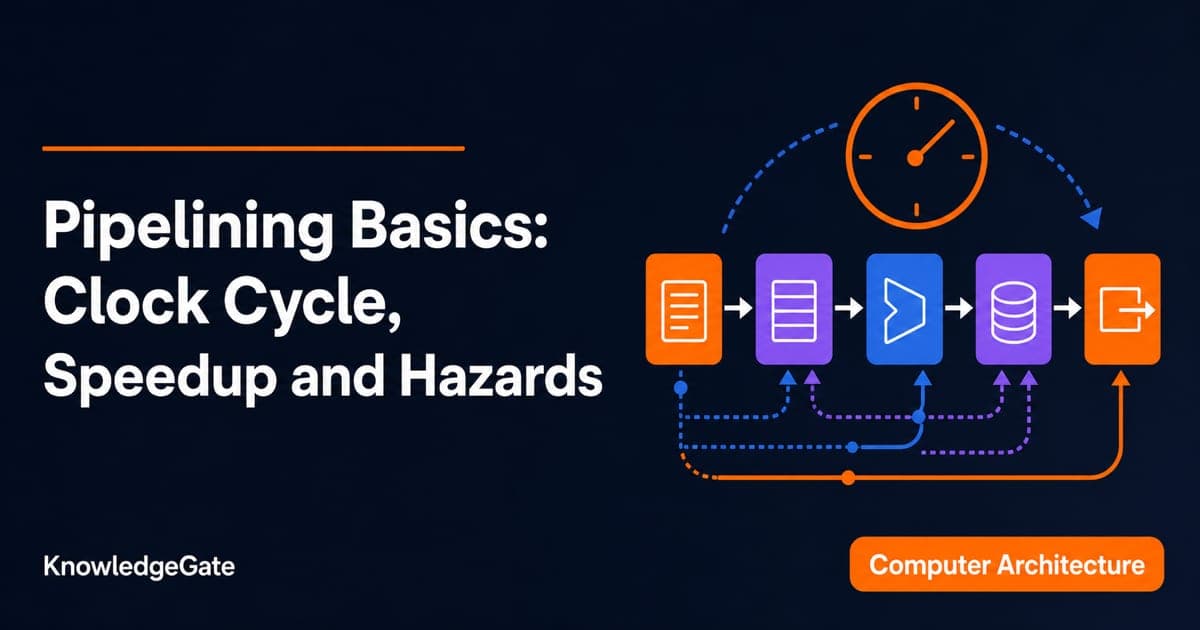
Pipelining Basics in Computer Architecture: Clock Cycle, Speedup and Hazard Worked Examples
Learn how to calculate a pipeline clock, fill and drain time, finite-batch speedup, latency, throughput, and the cost of a load-use stall.
Updated 23 Oct 20266 min readComputer Organization & Architecture
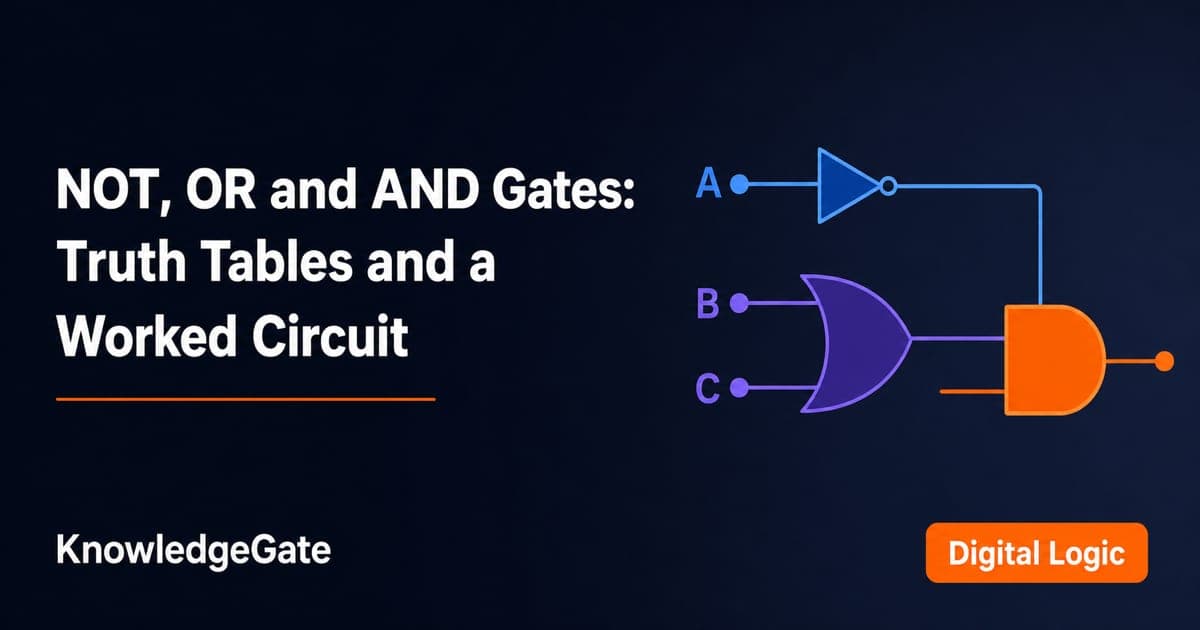
NOT, OR and AND Gates: Evolution, Truth Tables and a Worked Circuit
Learn how NOT, OR and AND gates developed from switching ideas, then trace F=(A+B')C node by node and confirm it with a complete truth table.
Updated 23 Oct 20265 min readDigital Logic
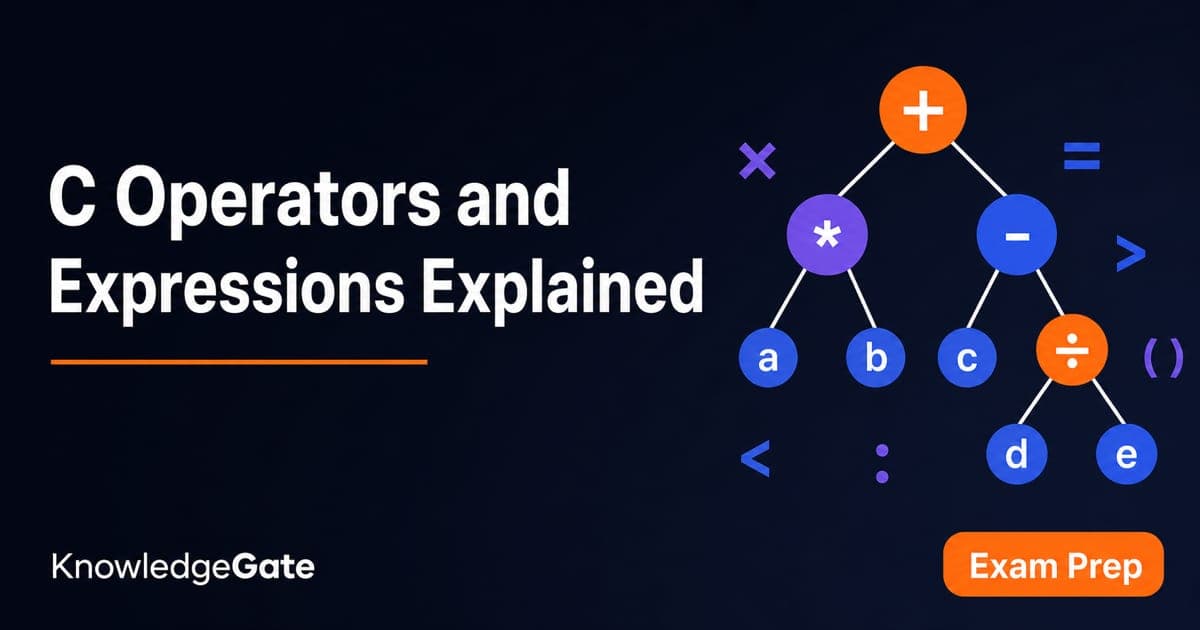
C Operators and Expressions Explained: Precedence, Types and Worked Traces
Learn a repeatable way to parse and evaluate C expressions. Follow typed calculations, bitwise and short-circuit traces, and common exam traps.
Updated 22 Oct 20266 min readC Programming & Data Structures
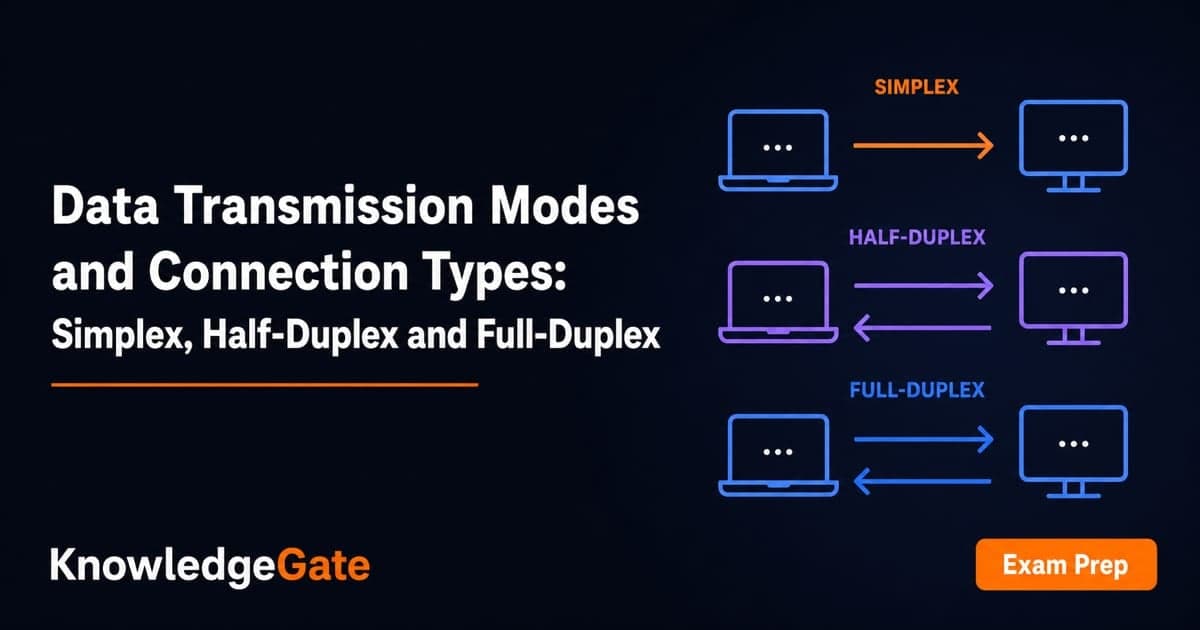
Data Transmission Modes and Connection Types: Simplex, Half-Duplex and Full-Duplex
Learn to classify simplex, half-duplex, full-duplex, point-to-point and multipoint links, then calculate completion time without relying on memorised examples.
Updated 22 Oct 20265 min readComputer Networks
Code Optimization Mistakes in Compiler Design: How to Avoid Losing GATE Marks
A rewrite that looks familiar is not necessarily safe. Trace six common optimization errors, learn why each one changes program meaning, and use a five-step check before accepting an answer.
Updated 22 Oct 20265 min readCompiler Design
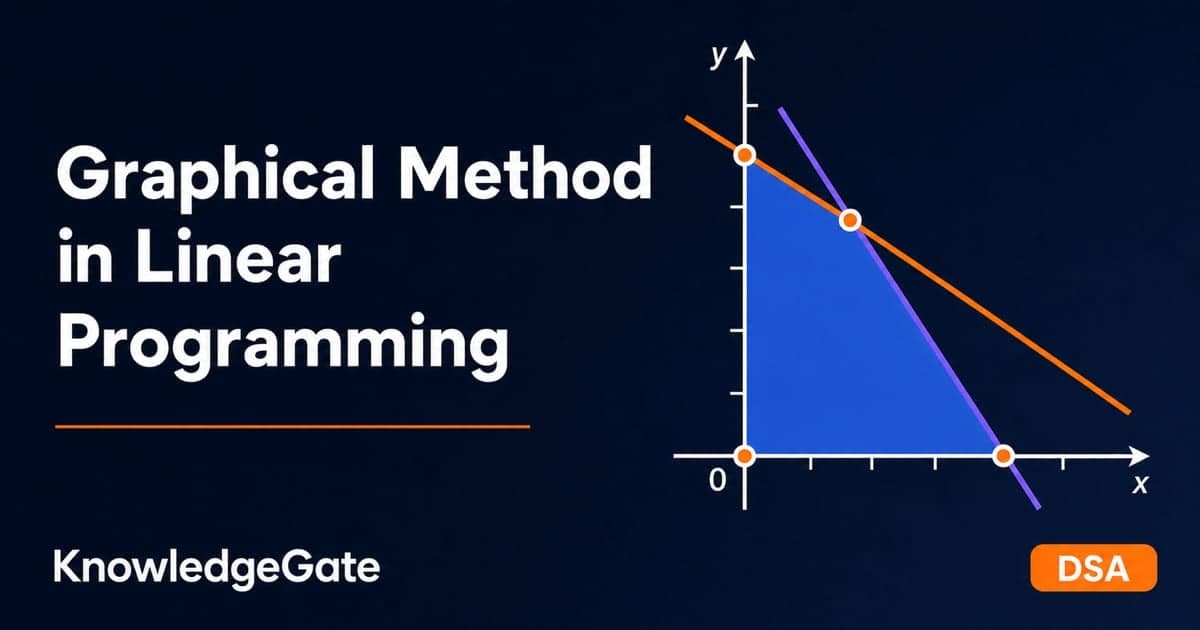
Graphical Method in Linear Programming: Feasible Region, Corner Points and Optimality with a Worked Example
Learn the two-variable graphical method in the right order, then solve and audit a complete maximisation model without trusting the sketch alone.
Updated 21 Oct 20265 min readEngineering Mathematics